

Our Blog
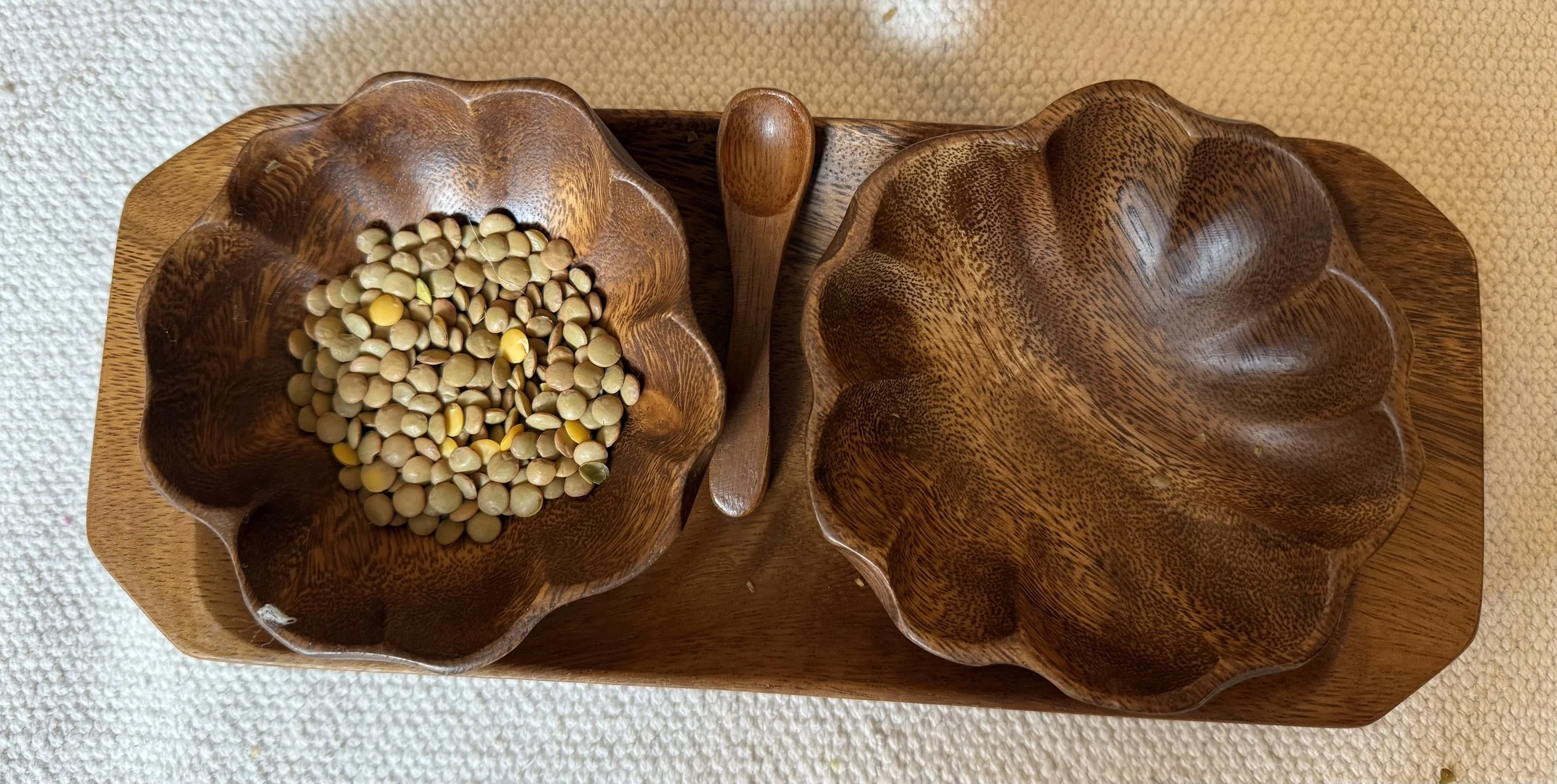
Start With What You Have: Practical Life for Montessori Homeschoolers
Practical Life is so much more than pouring and food prep. It's foundational — laying the groundwork for all the learning to come. It supports independence and helps children learn to follow a logical sequence of action. No matter what age you begin implementing Montessori at home, Practical Life is the place to start.
I was not a Montessori child, and by the time my parents discovered it, I was already too old for Primary. But when I look back, I realize how many opportunities
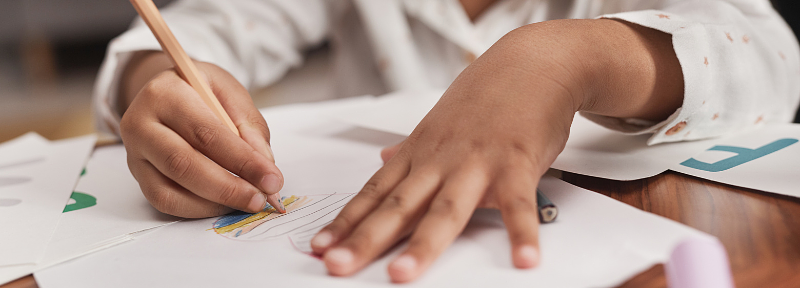
Who Taught Wyatt to Write?
Peter and Margaret had heard that children in Montessori schools were precocious learners. Their neighbor's five-year old daughter, Jenny began to read and write while she attended the local Montessori school. They didn’t know much about the method, but when the time came to enroll their three-year old son Wyatt in a pre-school, they decided to give Montessori a chance.

The Gift of the Human Tendencies
If you’ve been learning about Montessori, you’ve probably read about sensitive periods, prepared environments, and observation. But have you heard about the Human Tendencies?
Human tendencies are drives that urge the child to interact with the world around him, thereby allowing him to adapt to…
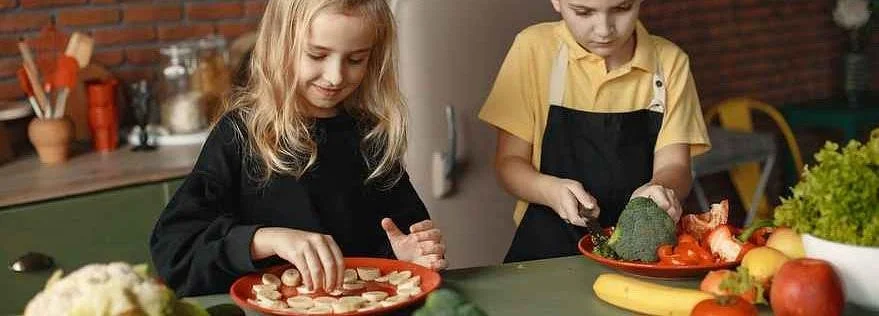
Five Things I Wish I Knew when I Started Homeschooling
My kids and I began homeschooling halfway through the school year when I left my Montessori teaching job, and at first I invested all my energy into re-creating a small classroom in my living room. I had visions of my children happily engaging in my inspiring lessons. But instead of harmony and joyful learning, there was apathy and avoidance of anything that remotely resembled what they knew as school.
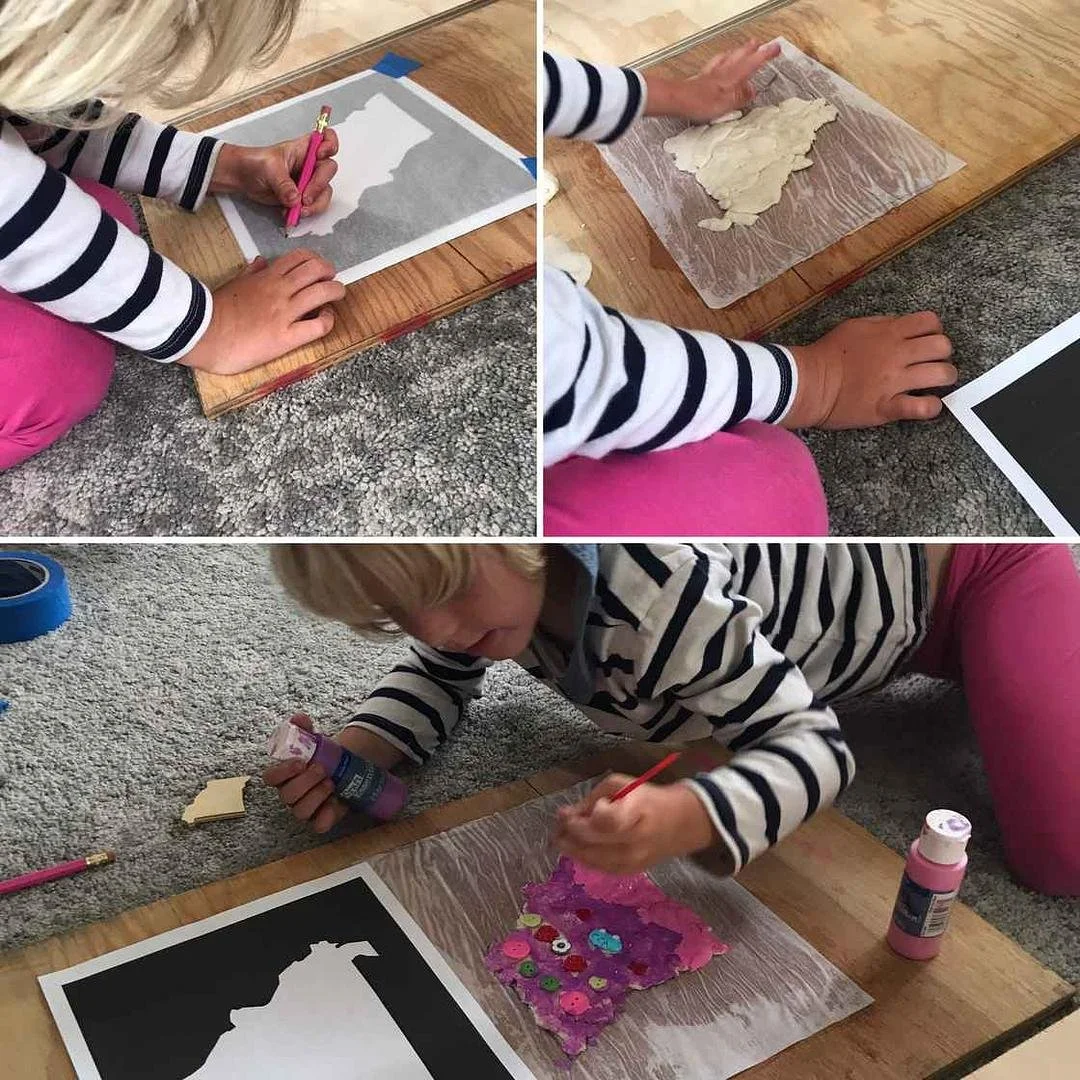
On Being "The Older child"
After 10 weeks of lockdown-schooling, when June 1st arrived and parts of our city reopened, I called for a homeschooling break. My kids agreed, and we spent three lazy weeks picnicking in the park, reading, and playing.
My children have always been creative, and they have plenty of LEGOs and art supplies to stay busy and engaged, but by the end of those three weeks I sensed a certain restless energy - a need for a project and a goal much bigger than what their emerging imaginations could envision.
Homeschool 101
"I'm not telling you it's going to be easy - I'm telling you it's going to be worth it."
- Art Williams
Maybe you're just starting to homeschool...Or perhaps you've been a home educator for years. Either way, the road can be bumpy and the journey can be daunting. I hope these suggestions empower, reassure, and inspire you to keep going. Use them as a jumping-off point or as a way to re-calibrate your compass. And remember that in homeschooling, change is the only constant, because we're working with young humans who grow and evolve daily.

Great Books for Our Great Stories
Many of you have asked me to share my favorite books that align with the Great Stories. So, here they are! I have used every single one of these books either in my elementary classrooms or in our homeschool life. Some are child-friendly reference books, but many have activities to inspire follow-up work.
Holding On to Our Kids
There’s one thing that should be more important to Montessorians than supporting independence.
And that’s supporting attachment.
Attachment extends far beyond the first year of life, with its focus on baby-wearing and co-sleeping. These are both very important practices, don’t get me wrong!
But as our kids grow, we often push them towards independence and by so doing, we inadvertently break the attachment bond precisely when it needs to remain strong to counter the external pressures of society on our still-developing children.
Essentials of Practical Life
Practical Life is essential to the development and work of the child. This area is considered to be the most important area in the primary environment though the value of Practical Life extends far into and beyond the elementary years.
Practical Life allows the child to become more aware of himself through his actions in his care of himself and care of the environment. The work in Practical Life also lays a solid foundation for work in Language and Math.
Prepared Environments: Home Edition
As you get started or continue along your Montessori journey, considering how you prepare your space to meet the needs of your child is a huge piece of the Montessori puzzle.
In Montessori training, we can see the interconnected relationship between the child, the prepared adult and the prepared learning environment by using a triangle (as illustrated).

Worm Moon
Look up! What do you notice? Did you observe that the full moon is larger than usual? We call it a Supermoon, and your eyes aren’t deceiving you… The moon IS larger than usual because it's closer than usual, and that's because the moon’s orbit around the Earth isn’t perfectly circular - it’s elliptical.
Story of Chemistry: Part I
I wrote this story a while back for the Upper Elementary group I inherited that hadn't been exposed to chemistry. I never got around to writing Part II but if you take on that challenge, let me know!
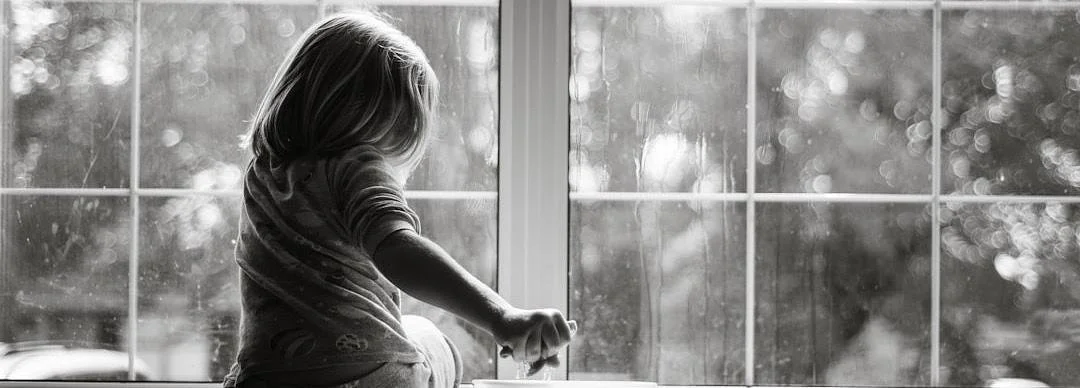
Practical Tips for Preparing Practical Life at Home
Practical Life can be easy to implement using what you have available at home.
There are some specific characteristics of Practical Life materials to keep in mind.
The materials should be:
Familiar and adaptable
Promote beauty and simplicity
Appropriately proportioned physically and psychologically
Arranged in an organized way
Realistic and functional
Not gender specific
How to Montessori Your Home: Toddler Edition
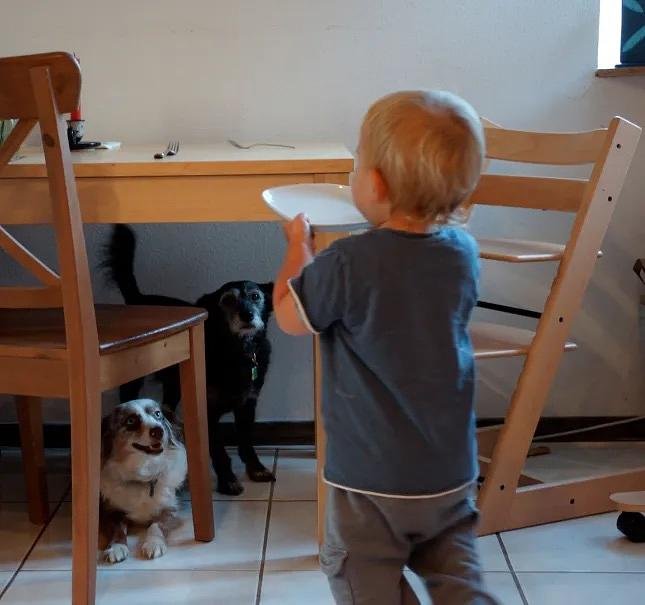
Welcome! Come on in... I'm Zach and this is my home. I was born in my parents' bedroom upstairs and have spent my entire life - a whopping 16 months - living here. I love what my parents have done with the place and I want to share my favorite spots with you.
Long Live the Short Chains
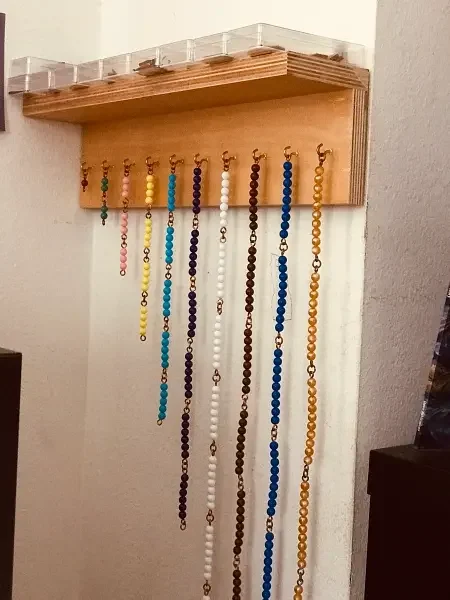
The Montessori Short Chains and Arrows pack a big learning punch and are often under-utilized. They're great for a homeschool environment because they don't take up any shelf space. Their initial purpose is to help the child first count linearly and then skip-count. But when your child is comfortable with these two concepts, you can use the chains for much more! Here are four ideas...
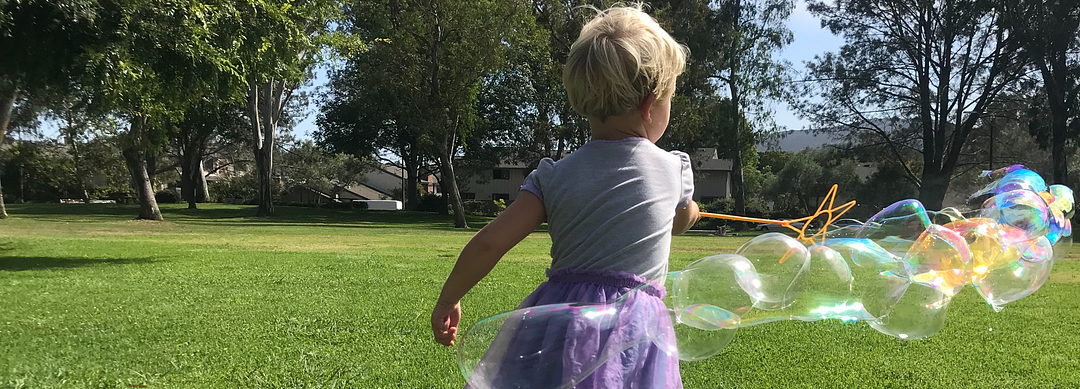
Unschooling: Soap Bubble Edition
Sometimes learning is what happens while you're busy decluttering the back patio...
My four-year-old found an old bubble wand and asked if we could make bubbles, so I googled this recipe and we set to work. She had a great time measuring, pouring and stirring, and she got to experience sugar disappearing in water to make a solution (yay, science and vocabulary!).

The Entitlement Myth
A few weeks into his first-grade year, my formerly sweet and relatively cooperative son began acting sassy, cocky, and entitled. Requests for help were met with groans and eye-rolls. Limits were countered with sighs and "whatever"s. We gave him the benefit of a doubt: Surely he was just imitating his older classmates' rude behaviors. Or maybe this was a misguided attempt at being more independent. All my friends' children were acting the same way, so it was probably a developmental phase.

Growth Mindset: Harnessing the Power of "Yet"
Have you ever heard your child say, “I can’t do it!” Or “I’m not smart enough!” Wouldn't it be wonderful to hear instead, “I can’t do it yet and I’m going to keep trying.” Or “I know my brain can grow and learn new things. I will try again.”

Rediscovering Motherhood
An American friend and colleague who lives in Asia recently shared with me that her in-laws had moved out of her house. They had been very involved in raising her children, so I asked if she missed having the help. She texted back, "No. I'm forced to be the mom and it's what my kids want and what family is supposed to be."
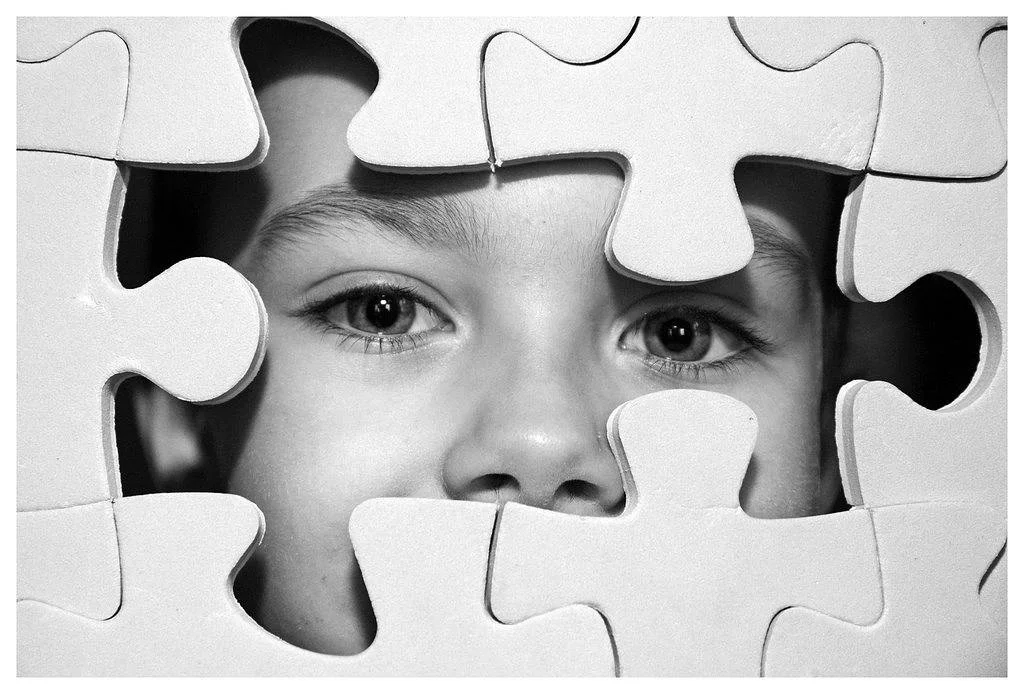
The Puzzle-Child
Over the years of working in Montessori classrooms I've met many children who are eager to attend lessons, engage in follow-up work, and share their new knowledge. And then there are the occasional "puzzles" (as my son's Primary guide once referred to him). How do you know if you live or work with a puzzle-child?