Nature's Classroom: Exploring Gardening with Children
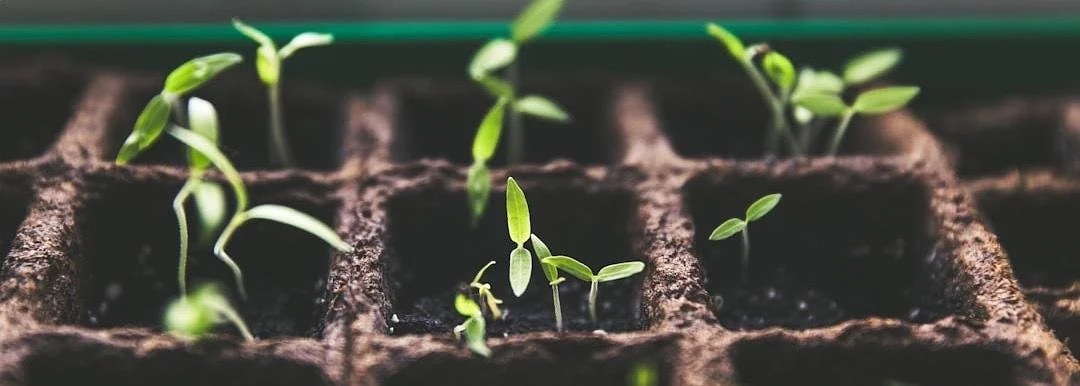
“A child, more than anyone else, is a spontaneous observer of nature.”
-Dr. Montessori
As the weather starts to warm up, it’s the ideal time to think about starting a spring garden. Your garden doesn’t need to be elaborate; it can be designed to fit the space you have, whether it is indoors or outdoors. Each spring, we've approached our gardening journey in various ways. Some years, we’ve started with sprouted plants, while other years, we’ve begun with seeds, mostly starting them indoors.
I’d like to share some wonderful ways gardening aligns with the Montessori philosophy and how it benefits your growing child.
Montessori’s thoughts on outdoors
Many years ago, Maria Montessori aimed to change the cultural expectations surrounding education. In her time, children were often expected to sit still while learning—a practice that still exists in some schools today. Montessori realized that children learn best through movement.
In the book, The Absorbent Mind, Montessori shared that,
“Education is a natural process, carried out by the child and is not acquired by listening to words, but by experiences in the environment.”
Montessori also emphasized that the environment needed to have free-flow access to the outdoors. The children can help tend the garden by weeding, watering and preparing for planting. Montessori shared:
“The land is where our roots are. The children must be taught to feel and live in harmony with the Earth.”
Benefits of gardening and activity ideas by age
Gardening can be a simple activity that you can easily do at home with your child, and children of all ages can benefit from spending time in the garden. It offers a valuable opportunity to explore the natural world. Gardening activities also fulfill children's sensory needs. For example, digging and turning the soil provides proprioceptive input.
My boys have both gained so much from having a small garden. They've asked for and eaten foods they previously weren’t interested in—simply because they grew them and then helped prepare and eat them. Getting involved in the gardening process, especially when it comes to vegetables, can encourage children to be more adventurous with the foods they try.
The garden offers the opportunity to explore science and math. And according to an article from PBSKids, there is value in giving your child the chance to get dirty by playing in the dirt:
“...consider the ‘hygiene hypothesis,’ a theory that a lack of childhood exposure to germs actually increases a child’s susceptibility to diseases like asthma, allergies and autoimmune conditions by suppressing the development of the immune system. So getting dirty while gardening may actually strengthen a child’s immunity and overall health.”
Toddler
Toddlers love maximum effort work! Maximum effort work engages the full extent of toddler strength. Activities such as climbing and moving heavy objects satisfy this desire for “big work.” In the garden, your toddler can:
Carry and fill a watering can
Water plants
Dig in the dirt
Scoop gravel or mulch
Help to plant seeds or plants
Push or pull a wagon or wheelbarrow
Observe garden life (worms, ladybugs, etc.)
Primary
In primary, the child begins to desire to do things for themselves, so it's important (as it is with any age) to make sure we are offering opportunities for the child to make a choice or follow through with as little help as needed (only as much as necessary). Involve your primary child in the discussion of what can go in your garden. In the garden, primary children can:
Turn the soil
Pull weeds
Plant seeds and plants
Push or pull a wheelbarrow
Water the plants
Remove dead leaves or expired flowers from the plants
Learn/understand the needs of plants
Begin to identify plants by name
Elementary
In elementary, the child is ready to take on more responsibility when it comes to planning and preparing a garden space. At school, they are given the autonomy to make decisions about the classroom garden. The elementary child can:
Research appropriate plants to add to a garden
Shop for plants on a budget
Draw/plan out the garden space considering the amount of sun each garden bed receives
Organize where plants should go in a garden
Turn the soil
Pull weeds
Plant seeds and plants
Water the plants
Understand the needs of each plant
Tools to use for gardening with children
When gardening, it's helpful for your child to have sturdy (and functional) tools that are the right size for them to use. Look for tools that are made from materials other than plastic, as plastic doesn’t last. Home Depot offers a shovel that is just the right size for primary and elementary digging (which is the same as what we have at school). For Small Hands has a few options for tools for children to use. Ace Hardware, Target and even the Dollar Store often have options for gardening tools for children. Here are some tools to consider:
I hope that you are able to get outside and dig in the dirt with your child!
Resources:
The Absorbent Mind by Maria Montessori
Gardening with Kids: How it Affects Your Child’s Brain, Body and Soul (PBSKids)
Get Your Hands Dirty! (Macaroni Kid Article)
Gardening for Children (Better Health)
I Love Dirt by Jennifer Ward