Essentials of Practical Life
Practical Life is essential to the development and work of the child. This area is considered to be the most important area in the primary environment though the value of Practical Life extends far into and beyond the elementary years.
Practical Life allows the child to become more aware of himself through his actions in his care of himself and care of the environment. The work in Practical Life also lays a solid foundation for work in Language and Math.
What is Practical Life?
Practical Life consists of simple, ordinary tasks that help establish and maintain order, hygiene, and social relationships with family and friends. Dr. Montessori shared in the Secret of Childhood,
“Activities here build on the child’s natural interest and help him to develop good work habits, concentration, eye-hand coordination, a lengthened attention span and control of his body. (p. 122)”
These activities are divided into the areas of care of self and care of the environment. Grace and courtesy is a third category, which we will cover in another post.
Care of self materials can include learning to independently dress, wash hands, comb hair, polish shoes (or wash boots). When the child learns to care for himself, he builds self-respect and confidence. The child is able to gain a feeling of confidence, responsibility and motivation.
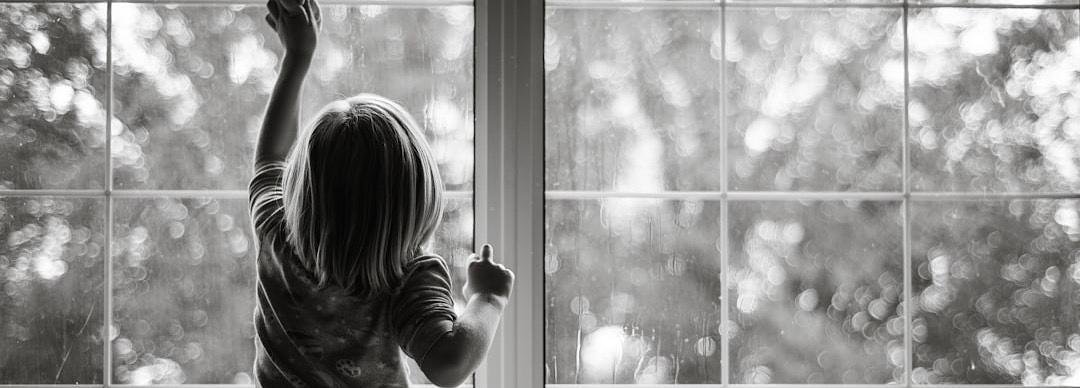
Care of the environment includes activities such as cloth washing, window washing, sweeping, raking, food preparation, and setting the table. When the child is caring for the environment, the child is able to experience collaboration as well as joy in being able to make a difference in the community.
Common misconceptions about Practical Life
Practical Life is not just for toddlers. There’s a range of Practical Life offered throughout the primary years and beyond. There is a shift that happens for the child as they move through the primary years when it comes to this work. That shift is observing the reason WHY the child chooses the Practical Life work. For the younger child, they do the work because they are attracted to the movements and it inspires repetition. For the older child, they do the work to actually get the item clean and tend not to repeat in the same way the younger child does.
Practical Life is not instantaneous. Don’t believe everything you see on social media that portrays Practical Life as a magic cure all for fiercely independent children that do the task perfectly the first time. Practical Life happens through scaffolding and doing the work together. Make sure to break down the task into manageable parts rather than expecting perfection from the beginning.
Practical Life is not just food preparation. It encompasses all tasks that support the child in caring for themselves and for the environment.
How does Practical Life benefit the child?
Dr. Montessori writes in the Discovery of the Child, “here, we find ourselves confronted with a pure and simple phenomenon of growth. (p. 99)” The child younger than six years of age is doing work of self-construction.
This area in the environment is unique as it directly correlates to life; the activities and materials they're familiar with. These activities offer the child a way to gain coordination of movement, develop concentration, foster independence, establish higher order thinking, muscles are being refined and the child’s personality is being expressed. The Practical Life materials promote intrinsic motivation and repetition, even after they have been mastered.
“...carrying out of a practical life affords an abundance of exercise, and the gymnasium for perfecting one's actions in the very environment in which he lives.”
Dr. Maria Montessori (Discovery of the Child, p.83)