

Our Blog
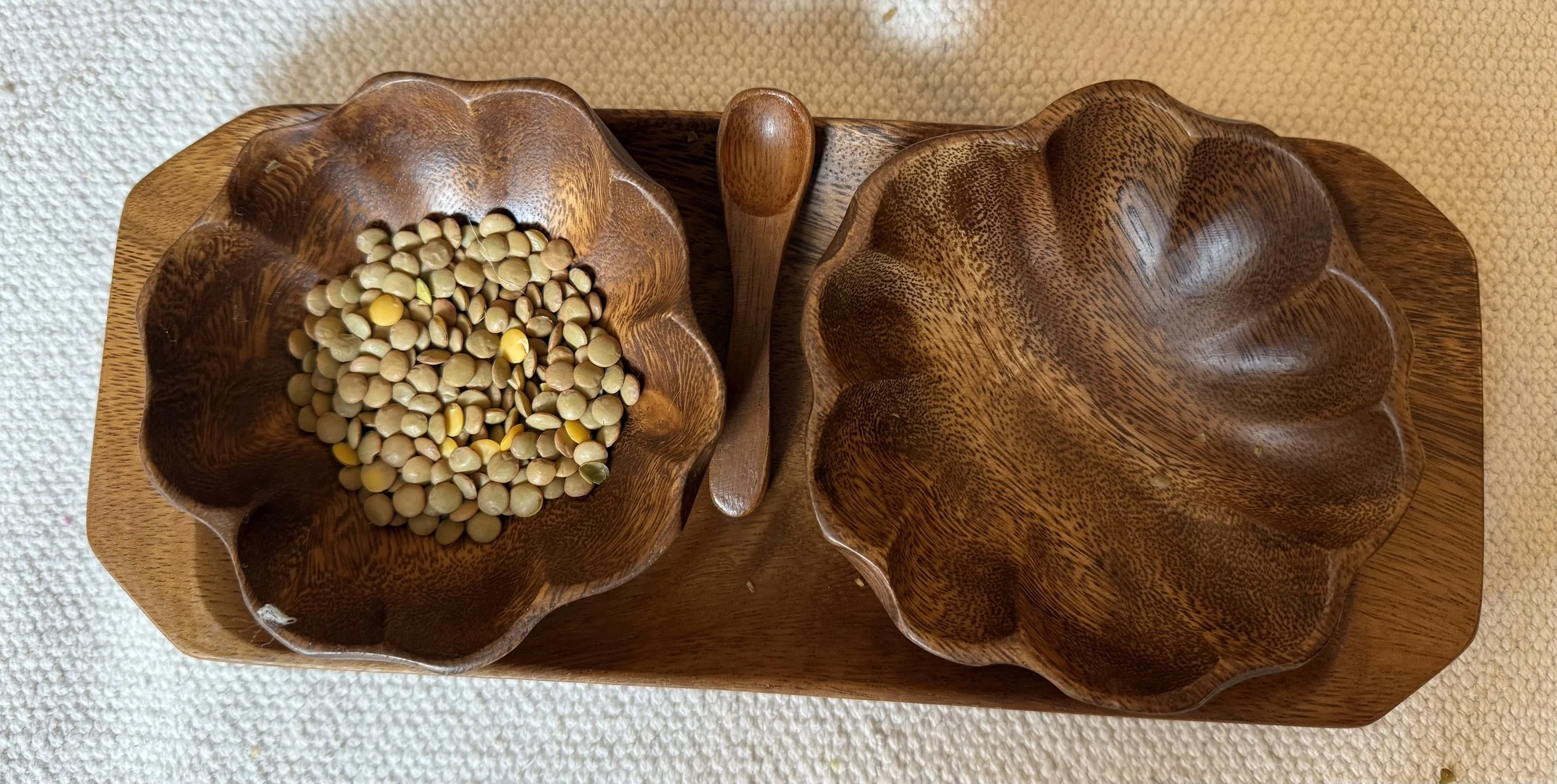
Start With What You Have: Practical Life for Montessori Homeschoolers
Practical Life is so much more than pouring and food prep. It's foundational — laying the groundwork for all the learning to come. It supports independence and helps children learn to follow a logical sequence of action. No matter what age you begin implementing Montessori at home, Practical Life is the place to start.
I was not a Montessori child, and by the time my parents discovered it, I was already too old for Primary. But when I look back, I realize how many opportunities

The Gift of the Human Tendencies
If you’ve been learning about Montessori, you’ve probably read about sensitive periods, prepared environments, and observation. But have you heard about the Human Tendencies?
Human tendencies are drives that urge the child to interact with the world around him, thereby allowing him to adapt to…
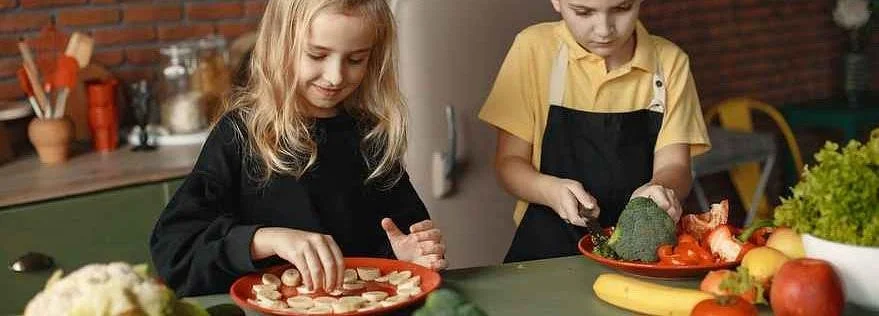
Five Things I Wish I Knew when I Started Homeschooling
My kids and I began homeschooling halfway through the school year when I left my Montessori teaching job, and at first I invested all my energy into re-creating a small classroom in my living room. I had visions of my children happily engaging in my inspiring lessons. But instead of harmony and joyful learning, there was apathy and avoidance of anything that remotely resembled what they knew as school.
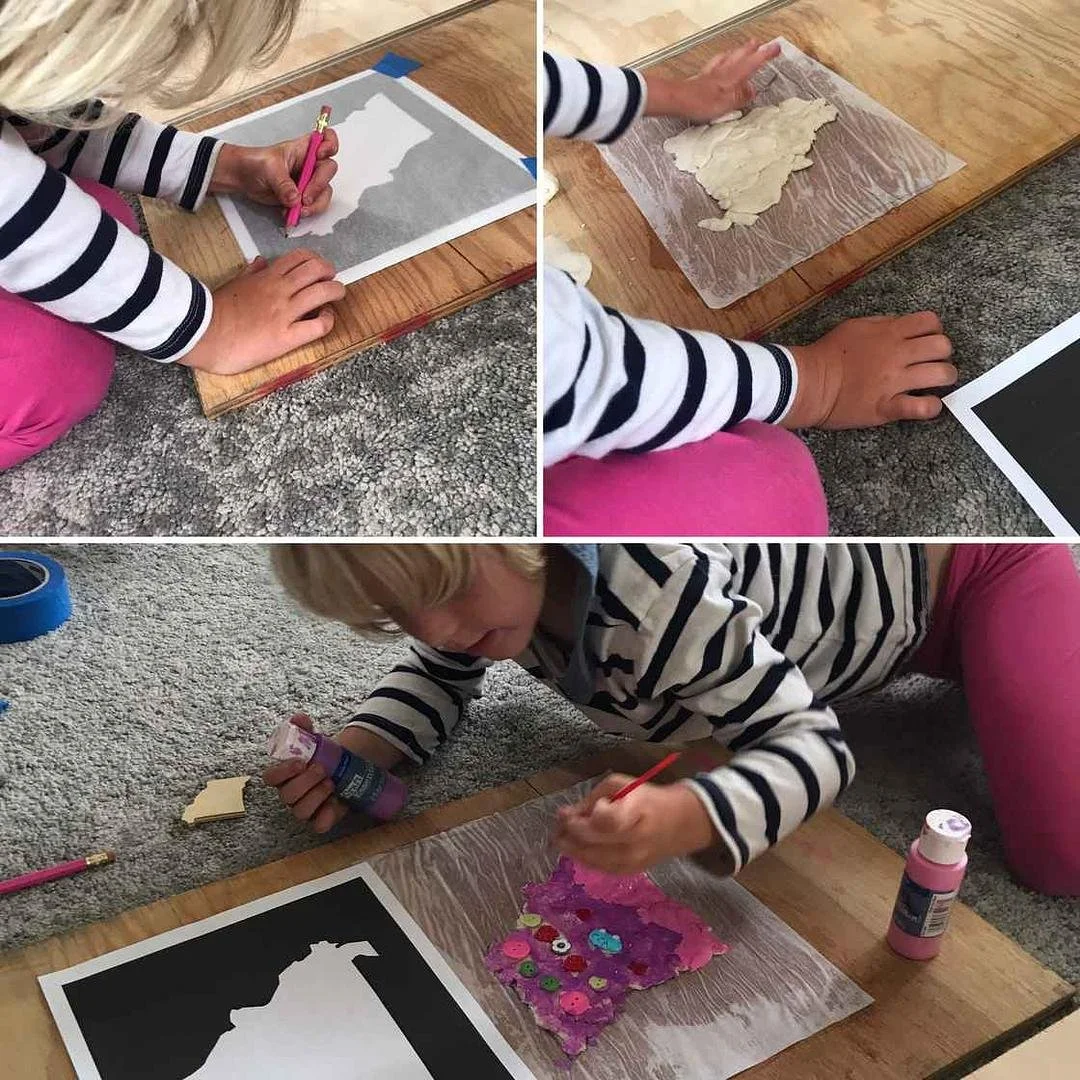
On Being "The Older child"
After 10 weeks of lockdown-schooling, when June 1st arrived and parts of our city reopened, I called for a homeschooling break. My kids agreed, and we spent three lazy weeks picnicking in the park, reading, and playing.
My children have always been creative, and they have plenty of LEGOs and art supplies to stay busy and engaged, but by the end of those three weeks I sensed a certain restless energy - a need for a project and a goal much bigger than what their emerging imaginations could envision.
Homeschool 101
"I'm not telling you it's going to be easy - I'm telling you it's going to be worth it."
- Art Williams
Maybe you're just starting to homeschool...Or perhaps you've been a home educator for years. Either way, the road can be bumpy and the journey can be daunting. I hope these suggestions empower, reassure, and inspire you to keep going. Use them as a jumping-off point or as a way to re-calibrate your compass. And remember that in homeschooling, change is the only constant, because we're working with young humans who grow and evolve daily.
Holding On to Our Kids
There’s one thing that should be more important to Montessorians than supporting independence.
And that’s supporting attachment.
Attachment extends far beyond the first year of life, with its focus on baby-wearing and co-sleeping. These are both very important practices, don’t get me wrong!
But as our kids grow, we often push them towards independence and by so doing, we inadvertently break the attachment bond precisely when it needs to remain strong to counter the external pressures of society on our still-developing children.
Unschooling: Soap Bubble Edition
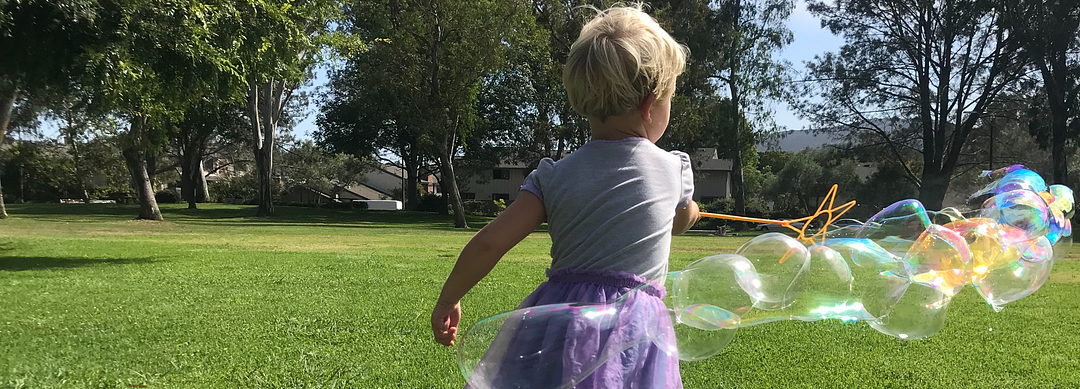
Sometimes learning is what happens while you're busy decluttering the back patio...
My four-year-old found an old bubble wand and asked if we could make bubbles, so I googled this recipe and we set to work. She had a great time measuring, pouring and stirring, and she got to experience sugar disappearing in water to make a solution (yay, science and vocabulary!).
The Entitlement Myth
A few weeks into his first-grade year, my formerly sweet and relatively cooperative son began acting sassy, cocky, and entitled. Requests for help were met with groans and eye-rolls. Limits were countered with sighs and "whatever"s. We gave him the benefit of a doubt: Surely he was just imitating his older classmates' rude behaviors. Or maybe this was a misguided attempt at being more independent. All my friends' children were acting the same way, so it was probably a developmental phase.

Growth Mindset: Harnessing the Power of "Yet"
Have you ever heard your child say, “I can’t do it!” Or “I’m not smart enough!” Wouldn't it be wonderful to hear instead, “I can’t do it yet and I’m going to keep trying.” Or “I know my brain can grow and learn new things. I will try again.”
Rediscovering Motherhood
An American friend and colleague who lives in Asia recently shared with me that her in-laws had moved out of her house. They had been very involved in raising her children, so I asked if she missed having the help. She texted back, "No. I'm forced to be the mom and it's what my kids want and what family is supposed to be."
The Puzzle-Child
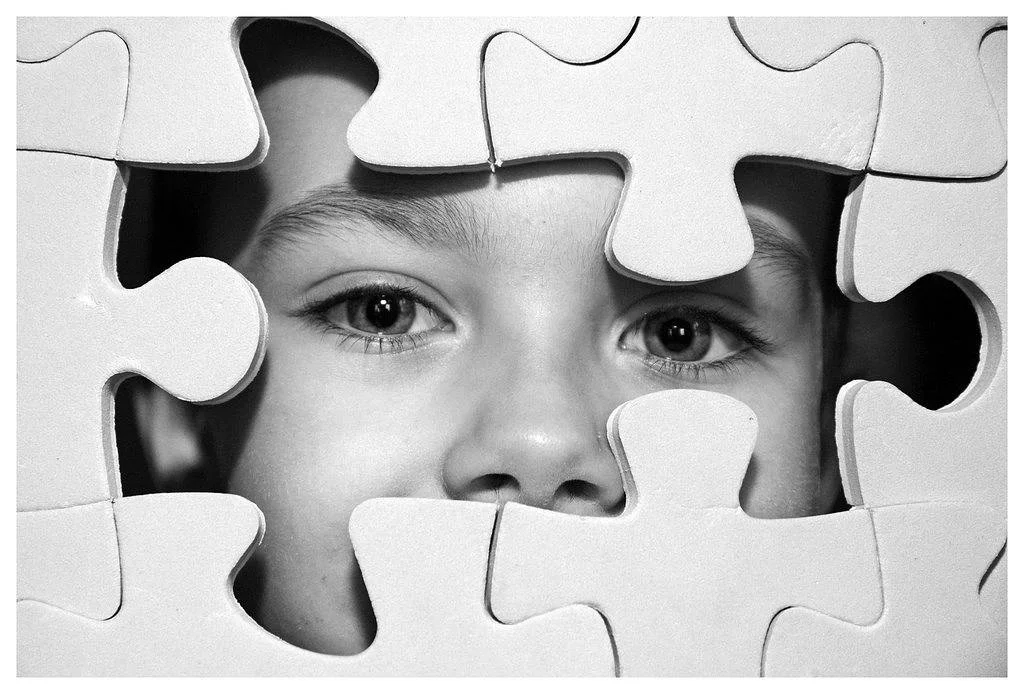
Over the years of working in Montessori classrooms I've met many children who are eager to attend lessons, engage in follow-up work, and share their new knowledge. And then there are the occasional "puzzles" (as my son's Primary guide once referred to him). How do you know if you live or work with a puzzle-child?
Opting Outside
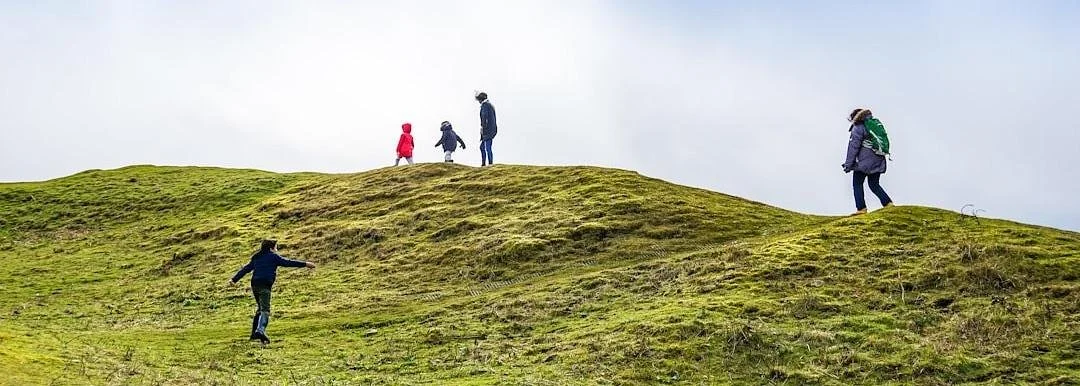
“Let the children be free; encourage them; let them run outside when it is raining; let them remove their shoes when they find a puddle of water; and, when the grass of the meadows is damp with dew, let them run on it and trample it with their bare feet; let them rest peacefully when a tree invites them to sleep beneath its shade; let them shout and laugh when the sun wakes them in the morning as it wakes every living creature that divides its day between waking and sleeping. When children come into contact with nature, they reveal their strength.”
~ Dr. Maria Montessori, Discovery of the Child